Every December we sit down as a team and go through the year's projects. What went well, what went sideways, and what we keep relearning. This year's list was longer than usual, so we've picked the lessons that are most useful to share.
Content is still the bottleneck
On nearly half our projects, the site was designed and built well before the content was ready. One manufacturing client's site sat finished for eleven weeks waiting for product descriptions.
What we're changing: content planning now starts in week one, alongside design. We give clients a content checklist with deadlines, and we offer copywriting as a standard option rather than an afterthought.
The best feature is often removing one
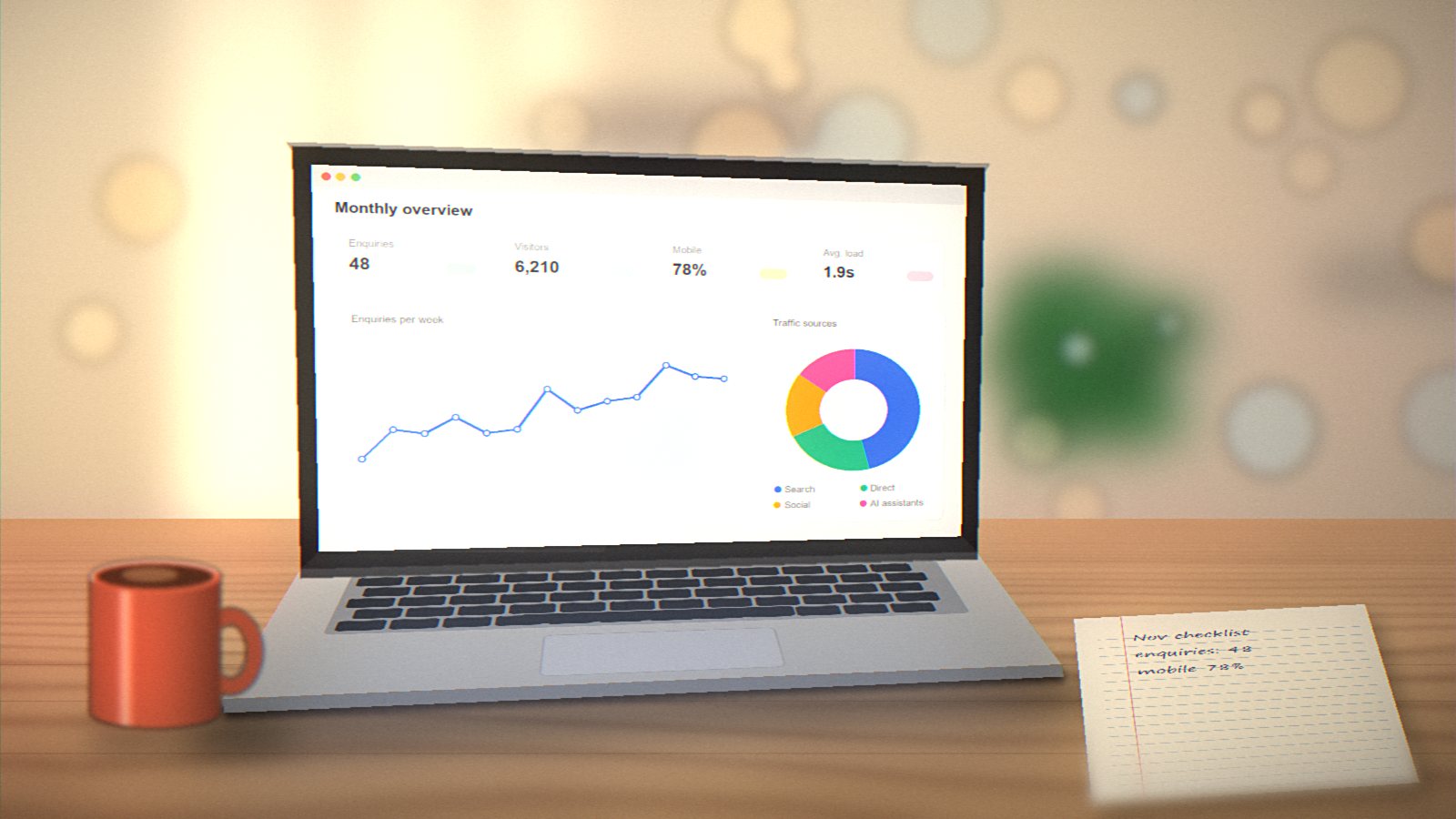
A client wanted a homepage slider with eight slides, an animated stats counter, a video background and a chat widget. We built a version without most of that, side by side with their original idea, and ran both for a few weeks. The simpler page got more enquiries. They kept it.
Fewer things competing for attention almost always works better.
Speed problems are usually third-party scripts
When a site is slow, people blame the hosting or the framework. In our audits this year, the real culprit was almost always third-party code: multiple analytics tools, chat widgets, review widgets, social feeds, ad pixels left over from campaigns that ended long ago.
AI changed how we work, but not what clients need
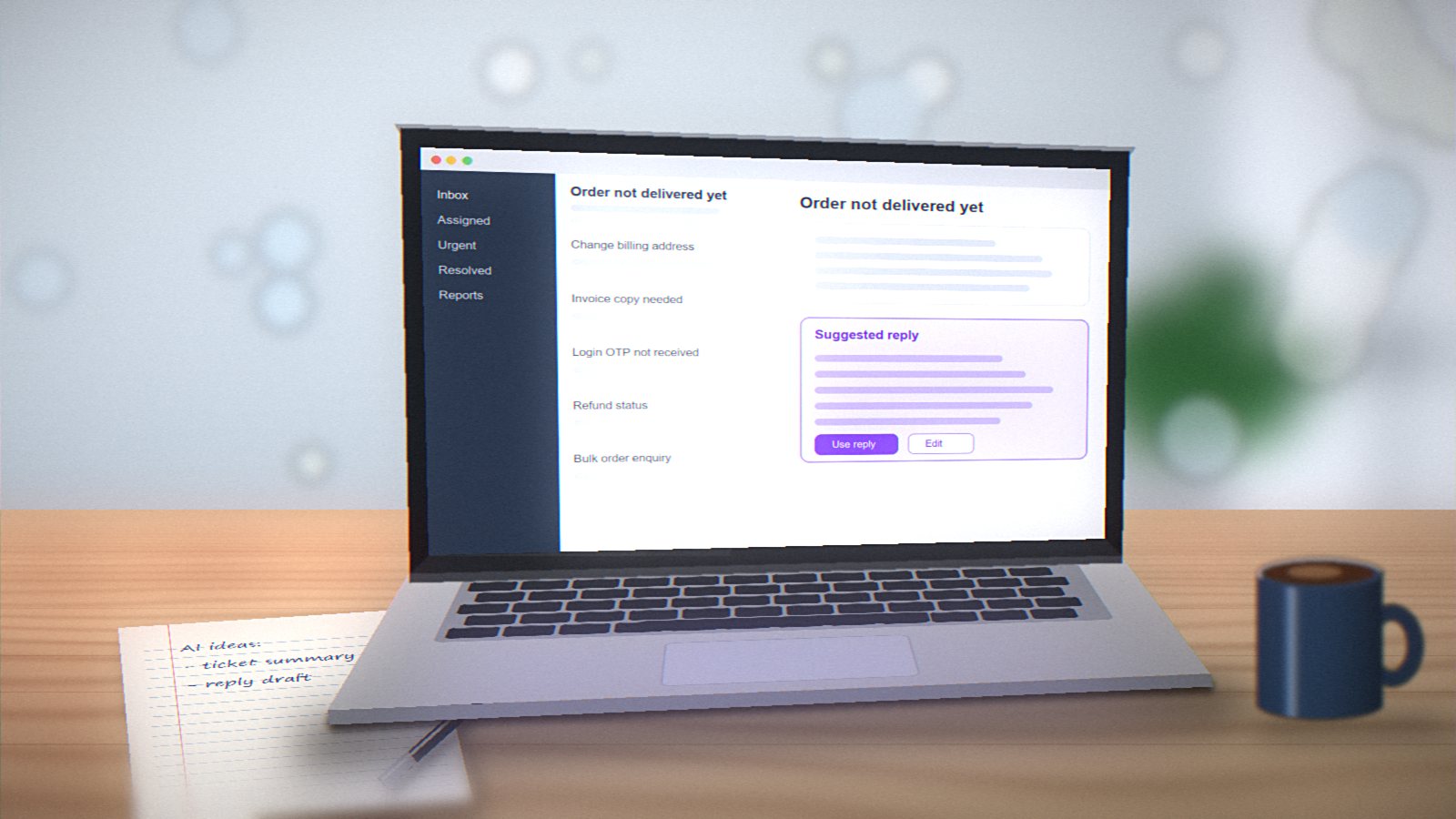
We use AI tools for first drafts of code, quick research, test data and some documentation. They save real time. But clients still need the same things they always did: a clear message, an easy way to contact them, a fast and trustworthy site. AI made the building faster. It didn't change what's worth building.
Small businesses got hacked through old plugins
We cleaned up more compromised sites this year than any previous year. Almost all of them had one thing in common: plugins or themes that hadn't been updated in a year or more, or a "nulled" premium plugin downloaded from a dodgy site. Maintenance isn't glamorous, but it's the difference between a working site and a cleanup bill.
Accessibility went from "nice to have" to "please check"
Between the European Accessibility Act and more awareness generally, clients started asking about accessibility on their own. That's a good change. Building it in from the start costs very little. Retrofitting it costs much more.
Handover matters as much as launch
The projects where clients were happiest six months later were the ones where we spent proper time on training and documentation. A short screen recording showing how to update a page, add a blog post or change a phone number prevents dozens of support emails.
What we'll do differently next year
- Start every project with a written brief and a content plan.
- Set a "third-party script budget" for every site.
- Include an accessibility check in every launch checklist.
- Record handover videos for every client.
- Say no more often to features that don't serve the site's main goal.
Thanks to every client who trusted us with their projects this year. Here's to building good things together in 2026.