A client asked us recently: "My nephew says nobody uses Google any more, they just ask ChatGPT. Should we be doing something about that?" Nobody is right is an exaggeration. Google still handles a massive share of searches. But he's not wrong that a growing number of people, especially younger professionals, start their research by asking an AI assistant.
The industry has started calling the practice of optimising for these tools "GEO", generative engine optimisation. The name is new. Much of the substance isn't.
How AI assistants find information
Tools like ChatGPT, Gemini, Perplexity and Google's AI Mode combine two things: what the underlying model learned during training, and live web search for current information. When they search, they read pages, pick out relevant passages, and summarise them, often with links to sources.
So to be mentioned, your content needs to be findable, readable by machines, and worth quoting.
What seems to work
Clear, direct answers. Content that answers a specific question clearly, near the top of the page, is easier for an AI to quote. If someone asks "how long does a website redesign take?", a page that says "most small business redesigns take 6 to 10 weeks" with an explanation is more useful than one that rambles for five paragraphs first.
Original information. Data, pricing, case studies, real examples and opinions based on experience. AI tools are good at summarising common knowledge, so pages that only repeat common knowledge are easy to replace. Pages with something new are worth citing.
Being mentioned elsewhere. AI models learn about brands from the whole web: reviews, directories, news articles, forum discussions, industry lists. A business that's mentioned positively in many places is more likely to come up in answers. This is basically old-fashioned PR and reputation building.
Clean technical setup. Pages that load fast, render content in HTML (not only through JavaScript), use proper headings, and include structured data are easier for any crawler to read, AI or otherwise.
Allowing the crawlers. Check your robots.txt. Some sites block AI crawlers without realising. Whether you want to allow them is a business decision, but make it deliberately.
What about llms.txt?
You may have heard of llms.txt, a proposed file that gives AI tools a summary of your site and links to key content. It's cheap to add and doesn't hurt, but there's no strong evidence yet that major AI tools rely on it. We add it for clients who ask, but it's not a priority over good content.
What doesn't work
- Stuffing pages with phrases like "best web design company" hoping an AI repeats them.
- Generating hundreds of thin AI-written articles. Search engines and AI tools are both getting better at ignoring this.
- Hidden text or tricks aimed at AI crawlers. This is the same as old-school SEO spam and carries similar risks.
The overlap with good SEO
Here's the reassuring part: most of what helps in AI search also helps in regular search, and helps human visitors too. Clear writing, real expertise, a fast and well-structured site, and a good reputation. If you've been doing SEO the right way, you're most of the way there already.
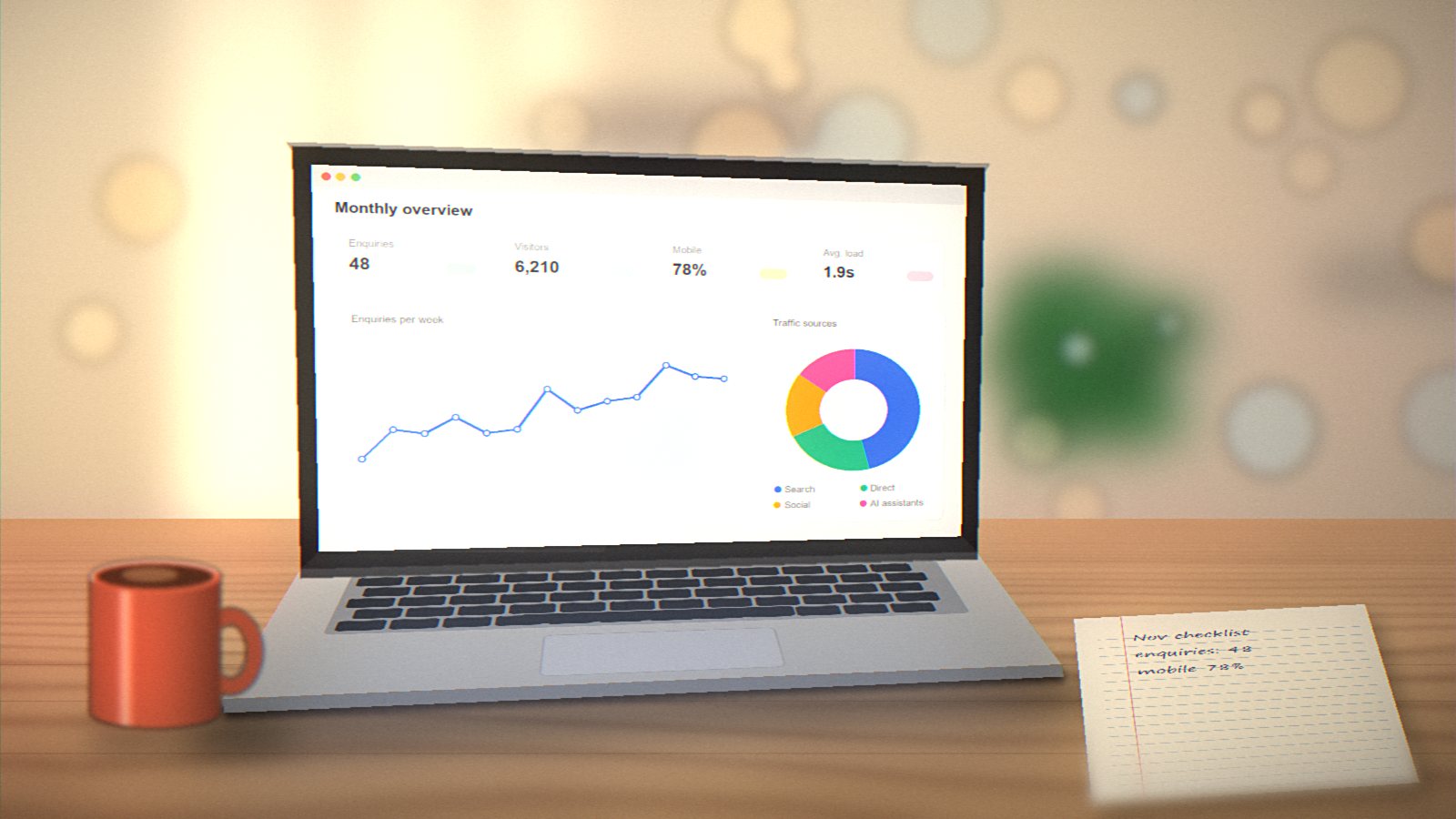
The new part is measurement. It's still hard to know how often your business is mentioned in AI answers. We've started manually checking a set of key questions for clients each month, which is crude but revealing.